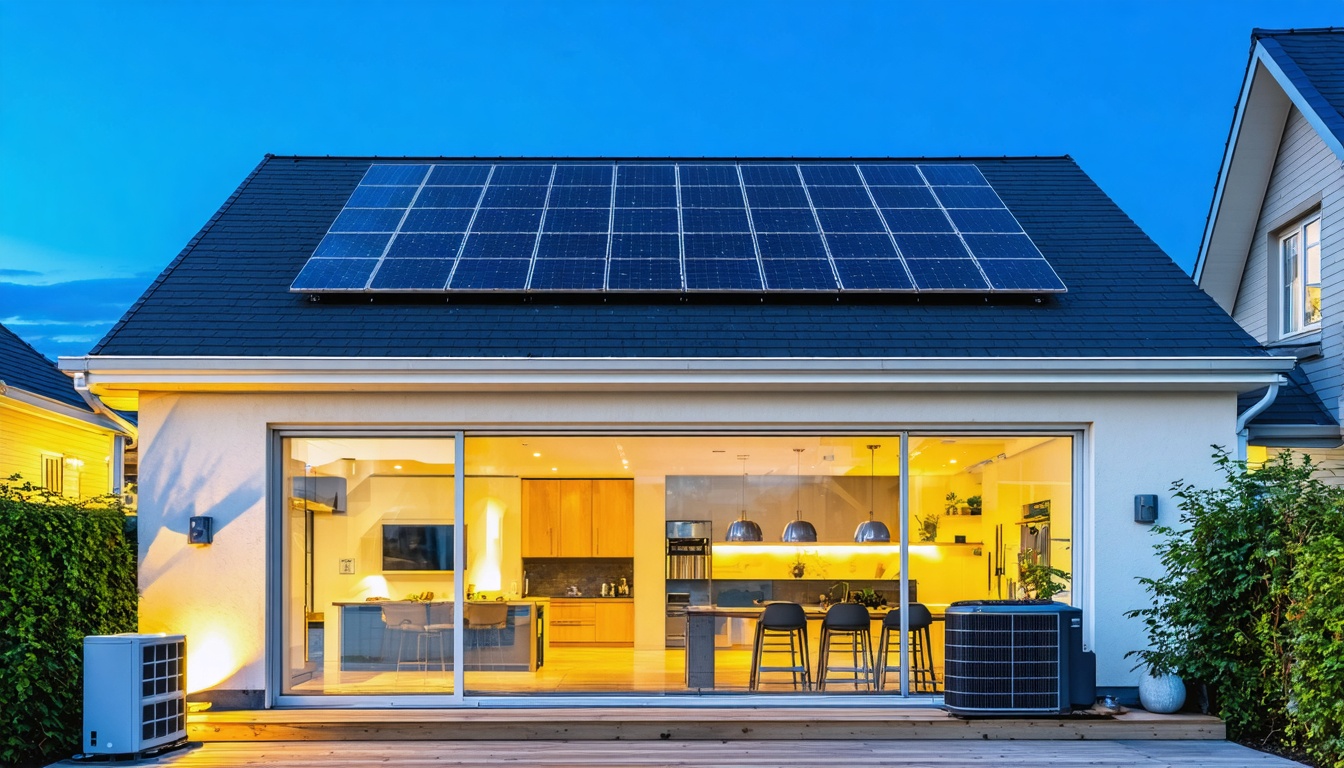
Home Energy Efficiency Improvements That Complement Solar Power
Investing in solar panels can lead to more significant benefits when combined with energy-efficient home improvements. Enhancing your home’s energy efficiency can help optimize the performance of your solar system, ultimately reducing overall energy consumption and utility bills. Implementing practical measures such as air sealing and proper insulation can minimize energy loss, while selecting energy-efficient appliances can further decrease energy usage. When considering upgrades to improve energy efficiency before installing solar panels, several options are worth evaluating. Air sealing eliminates gaps and cracks in your home, which can significantly reduce heating and cooling costs. Proper insulation ensures that conditioned air remains within the living space, enhancing thermal performance. In addition, selecting appliances with high energy-efficiency ratings can result in lower operational costs compared to traditional models. These measures not only help in reducing energy consumption but also increase the overall comfort within the home. By focusing on energy efficiency, homeowners can maximize their investment in solar energy, as decreased energy demand allows for optimal utilization of the energy generated by the solar panels. This strategic approach to home energy management can lead to long-term financial savings and contribute to a more sustainable living environment.
Air Sealing and Insulation Upgrades
Air sealing and insulation upgrades are essential measures for improving energy efficiency in residential buildings, particularly for homeowners looking to maximize the advantages of solar energy systems by consulting with a Solar Installation Company in Stamford, CT. Addressing air leaks and enhancing insulation can lead to a decrease in heating and cooling expenses, which may result in lower energy bills and potentially enhance property value over time.
In New York, programs such as Comfort Home provide financial support to both homeowners and renters seeking to implement these improvements. These upgrades can lead to a reduction in the consumption of fossil fuels, thereby contributing to environmental sustainability efforts.
Furthermore, improving air sealing and insulation can enhance indoor air quality by reducing drafts and helping to maintain a stable indoor temperature.
Additionally, federal tax credits are available for select energy upgrades, including air sealing, energy-efficient appliances, and energy storage systems. Individuals interested in these financial incentives should refer to the IRS for specific information on eligible upgrades and the application process.
By understanding these options, residents can make informed choices that facilitate energy efficiency improvements and contribute to environmental goals.
Window and Door Efficiency Enhancements
Upgrading windows and doors to incorporate energy-efficient materials and technologies can lead to a measurable reduction in home energy consumption, especially for residences utilizing solar power systems.
Energy-efficient windows and doors are specifically engineered to limit air leaks, improve heat retention, and reduce reliance on fossil fuels, which can contribute to lower electricity expenses.
Products that have been rated by the National Fenestration Rating Council (NFRC), as well as insulated options and storm windows, have shown potential to enhance indoor air quality and mitigate a home's carbon footprint.
The implementation of air sealing measures further supports energy efficiency initiatives, may lead to substantial cost savings, and can potentially increase a property’s market value.
Homeowners interested in these upgrades should be aware that they may qualify for federal tax credits linked to energy-efficient renovation projects.
It is advisable to consult the Internal Revenue Service to establish eligibility for these credits and use a savings calculator to evaluate the possible financial benefits.
Additionally, specific incentives may be available for residents and businesses in New York, aimed at further alleviating expenses associated with energy efficiency upgrades.
Water Heating and Kitchen Appliance Improvements
Solar panels contribute to the generation of renewable energy; however, the efficiency of a home largely depends on the effective use of that energy, particularly in high-consumption areas such as water heating and kitchen appliances. Upgrading to more efficient equipment, including heat pump water heaters and induction cooktops, can lead to lower electricity bills and long-term financial savings, while also reducing overall carbon emissions.
Homeowners in New York have access to various financial incentives that can help offset the initial costs of these enhancements. Eligible residents may benefit from federal tax credits and New York State Clean Heat rebates, along with additional state-sponsored programs that aim to lower expenses associated with purchasing and installing energy-efficient appliances.
In addition to investing in advanced heating and cooking technologies, other strategies for improving energy efficiency include installing energy-efficient appliances, incorporating low-flow fixtures, and enhancing indoor air sealing. These measures can further improve a home's overall energy performance and may positively impact its market value.
For further information on energy efficiency improvements and available incentives, homeowners can consult resources such as the Internal Revenue Service or review Frequently Asked Questions provided by energy efficiency organizations.
Clean Heating and Cooling Solutions
Implementing clean heating and cooling solutions can improve a home's energy efficiency, particularly for those utilizing solar power systems. Air source heat pumps are a practical option for residents of New York, as they can reduce dependence on natural gas and lower electricity expenses.
The New York State Clean Heat rebate program offers financial incentives for qualified homeowners and businesses, facilitating the transition to more efficient heating and cooling systems. Ground source heat pumps are recognized for enhancing indoor air quality and providing potential savings on energy costs.
Additionally, integrating residential clean appliances, sealing air leaks, and installing storm windows and doors can further augment energy efficiency and potentially increase a home’s market value.
Homeowners are encouraged to access resources such as the Internal Revenue Service for information on federal tax incentives, utilize a Savings Calculator for evaluating potential savings, and consult the Frequently Asked Questions section for further information regarding available programs and options.
Integrating Solar Power and Battery Storage
Integrating battery storage with a solar power system allows homeowners to store surplus electricity generated during peak sunlight hours for subsequent use, particularly during evenings or in case of power outages. This integration can enhance energy efficiency by enabling greater self-consumption of solar energy, which may lead to reduced utility bills by minimizing reliance on grid electricity.
Furthermore, it can contribute to a reduced dependence on fossil fuels, which may positively influence indoor air quality.
Battery storage systems are available to homeowners in New York and across the United States, and they can qualify for federal tax credits under the Residential Clean Energy program. When these systems are paired with high-efficiency appliances, air-source heating, and robust air sealing, they can optimize energy savings and contribute to lowering a home's carbon footprint.
Homeowners contemplating such an upgrade are encouraged to review reliable resources, including frequently asked questions, to attain a comprehensive understanding of the benefits and considerations associated with solar and battery integration.
This approach facilitates informed decision-making regarding potential investments in energy systems.
Maximizing Tax Credits and Incentives for Home Upgrades
Upgrading a home's energy efficiency can offer financial benefits when homeowners utilize tax credits and incentives effectively. In the United States, projects like the installation of heat pumps, improving air sealing, replacing storm windows, and upgrading appliances may qualify for federal tax credits, potentially totaling up to $3,200.
The Internal Revenue Service (IRS) allows homeowners to offset costs for energy-efficient heating and cooling systems, water heaters, and battery storage solutions.
Homeowners looking to maximize these benefits may consider conducting an energy audit. This process helps identify areas that require improvement in energy use, allowing for targeted upgrades.
Addressing issues such as air leaks can decrease utility expenses and contribute to environmental sustainability, aligning with standards established by the Environmental Protection Agency (EPA).
In conclusion, by making informed decisions regarding available incentives and implementing the necessary home upgrades, homeowners can achieve financial savings while also enhancing compliance with environmental standards.
Conclusion
Enhancing a home's energy efficiency is a strategic approach that offers financial benefits and prepares a property for the installation of solar power systems. Key improvements include upgrading insulation, installing energy-efficient windows, utilizing smart thermostats, and incorporating high-efficiency appliances. These modifications can significantly reduce energy consumption, enabling homeowners to optimize the performance and cost-effectiveness of their solar energy systems. Insulation plays a critical role in maintaining a stable indoor temperature, which lowers heating and cooling demands. Energy-efficient windows can mitigate heat loss in the winter and keep interiors cooler in the summer, further decreasing reliance on HVAC systems. Smart thermostats provide refined control over energy use, allowing users to adjust settings based on occupancy and time of day, which can contribute to additional savings. Investments in these upgrades may not only reduce monthly utility bills but also lessen the overall environmental impact by lowering greenhouse gas emissions. In addition, some homeowners may be eligible for tax credits or incentives related to energy-efficient projects, which can offset initial costs. Overall, these improvements can be viewed as integral components of an effective energy management strategy that enhances home value and prepares for the integration of solar power technology.